
How to Keep a Room Cool This Summer Without Overspending
Personal Evaporative Coolers, Fans and Air Conditioners – What Each One Really Does

By Bright Commerce Lab Editorial Team
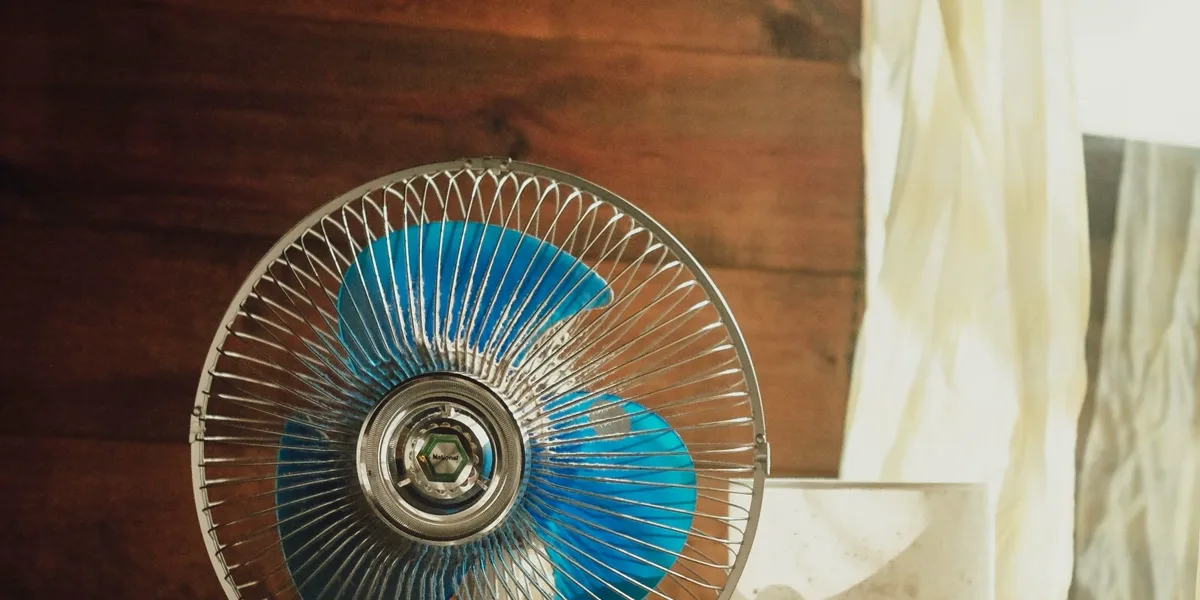
Summer 2026 — Every heat wave brings a new wave of ads for small plug-in coolers that promise air-conditioner comfort for a fraction of the price. Personal evaporative coolers really are cheap to buy and run, but they are not small air conditioners. This guide explains how they actually work, where they help, where they don't, and the no-cost habits that often matter more.
“A small cooler is not a small air conditioner – and knowing why can save you money.”
- Evaporative coolers add humidity — they work best in hot, dry air.
- A desktop or tower unit cools the area in front of it, not a whole room.
- In humid heat, a correctly sized room air conditioner is what lowers temperature and humidity.
- Shading, timed ventilation and fans used only while you're in the room are the cheapest wins.
Why a Room Overheats in the First Place
Before buying anything, it helps to know where the heat comes from. The U.S. Department of Energy points to windows as a major culprit: they let the sun's rays in and trap warm air, a small greenhouse effect. Heat from cooking, lamps, TVs and other appliances adds to it, and warm outdoor air leaks in through gaps around doors and windows.[2]
“The cheapest cooling is the heat you never let in.”
A device can only fight the heat load that's there. Reduce the load and whatever you use, from a fan to an air conditioner, has an easier job.
How a Personal Evaporative Cooler Works
Evaporative coolers, sometimes called “swamp coolers”, cool air with evaporated water.[1] Portable and desktop versions shrink the same idea into a small box with a water tank, an absorbent pad and a fan. There is no compressor and no refrigerant, which is why they are inexpensive to buy and draw relatively little power.
-
Step one
Fill the tank
You add tap water (some models also take ice packs) to a small reservoir.
-
Step two
Wet the pad
The water wicks or is pumped into a porous pad, keeping it damp.
-
Step three
Draw air through
A fan pulls room air through the wet pad, where some of the water evaporates.
-
Step four
Feel the breeze
Evaporation absorbs heat, so the air leaving the unit is cooler – and more humid.
The key word is evaporation. The drier the incoming air, the more water it can take up and the bigger the temperature drop. When the air is already damp, evaporation slows and so does the cooling.
The Honest Limits
Marketing for mini coolers often implies they are a cheap substitute for air conditioning. They aren't, and knowing why will save you money and disappointment.
- They add humidity. Every bit of cooling comes from water turning into vapour in your room. In a closed space the air gets steadily more humid.
- They need dry air. The DOE says evaporative coolers work well in climates where the air is hot and humidity is low.[1] In muggy weather the effect is small.
- They cool a personal zone. A tabletop unit is designed to blow cooler air at one person a short distance away, not to cool a whole bedroom or living room.
- They need fresh air. Portable units need some ventilation, or the humidity simply builds up.
- They're not heat-wave protection. For dangerous heat, an air-conditioned space is what protects health.
About the big numbers you may see: the DOE notes that whole-house evaporative coolers cost about half as much to install as central air conditioning and use about a quarter of the energy.[2] That comparison is for full-size systems ducted into a home, not for a small plug-in desktop unit. Be sceptical of any ad claiming a small cooler drops a room by many degrees in minutes.
Who a Personal Evaporative Cooler Suits

Likely a good fit if:
- You live somewhere hot and dry
- You want relief at one spot: a desk, a reading chair, a bedside table
- You can keep a window or door partly open
- You're fine refilling a tank and cleaning a pad
Probably look elsewhere if:
- Your summers are humid or the room already feels damp
- You need to cool a whole room or several people
- Someone at home is vulnerable to heat (older adults, infants, people with heart or breathing conditions)
- The room has mould problems or poor ventilation
What to Look For If You Do Buy One
If a personal cooler suits your climate and needs, these features make day-to-day use easier. None of them changes the physics above.
Tank size vs runtime
A bigger reservoir means fewer refills overnight. Compare the stated tank volume with the runtime claim, and note which fan speed that runtime was measured at.
Honest specs
Look for wattage, tank volume and noise level. Treat big “degrees cooler” claims without test conditions as marketing.
Replaceable, cleanable pad
Pads collect minerals and can grow mildew. Check replacements are sold separately and the tank opens wide enough to dry.
Noise & night mode
For bedside use, a low speed and a light you can dim or switch off make a real difference.
Safety listing & returns
Water and electricity sit close together. Look for a recognised safety certification mark and a clear return policy.
Power source
USB-powered units suit a desk, rechargeable ones travel, and mains-powered models usually move more air.
Coolers vs Fans vs Air Conditioners
Each option solves a different problem. This comparison is qualitative on purpose: real-world energy use depends on the model, the room, your climate and how long you run it. Check the wattage on the label of any unit you're considering.
Desk, tower or ceiling fanLow energy
Moves air, so you feel cooler as sweat evaporates. It does not cool the air itself.[2]
Personal evaporative coolerLow energy
Blows air cooled by evaporating water at a nearby person, using a fan plus a small pump.
Window / room air conditionerHigher energy
Uses a refrigerant cycle to cool and dehumidify one room, venting heat outside.
Portable air conditionerHigher energy
The same refrigerant principle in a floor unit, exhausting hot air through a hose in a window.
Tip from ENERGY STAR: bigger isn't better for air conditioners. An oversized room unit costs more, wastes energy and can cool the room before it has removed the humidity, so size it to the room.[4] Fans and AC also work well together: a ceiling fan lets you set the thermostat about 4°F higher with no loss of comfort, and ENERGY STAR suggests a setting as high as is comfortable, typically around 78°F.[1] [4]
Placement and Maintenance Tips
- Keep it close and aimed at you. A personal unit is most effective within a short distance of your face or upper body.
- Give it fresh, dry air. Crack a window or door so moist air can escape. If the room starts to feel clammy, the cooler is working against you.
- Use clean water and change it often. Empty the tank rather than letting water sit for days, and dry the unit before storing it.
- Clean or replace the pad as the manual says; mineral build-up reduces airflow and cooling.
- Keep it level and away from electronics and paper in case of spills.
- Turn it off when you leave. Like a fan, it cools people, not rooms.[1]
Low-Cost Habits That Keep Rooms Cooler

- Close blinds on sunny windows — especially south- and west-facing ones in the hottest hours.[2]
- Ventilate when it's cooler outside — evenings and early mornings. In humid climates this helps less.[3]
- Create a cross-breeze — open windows on opposite sides and point one fan outwards.
- Run fans only while you're there — they cool people, not rooms.[2]
- Cook less on hot afternoons — skip the oven; use a grill, microwave or cold meals.[2]
- Unplug and switch off — idle electronics and lamps give off heat.[2]
- Seal the gaps — weather-stripping keeps hot air out and cool air in.[2]
- Raise the thermostat, add a fan — about 4°F higher with no loss of comfort.[1]
HEAT SAFETY: The CDC advises using fans only when indoor temperatures are below 90°F; above that, a fan can raise body temperature.[5]
During a heat wave:
- Spend time somewhere air-conditioned – a library, community cooling centre or a friend's home
- Drink water regularly, even if you don't feel thirsty
- Check on older neighbours and relatives
- Seek medical help for signs of heat illness
This guide is general information, not medical advice.
Questions Readers Ask
The points that come up most often about personal coolers, fans and air conditioning.
Usually not. A small evaporative cooler cools the air close to it and works best in hot, dry air. It doesn't remove humidity and won't cool a whole room the way a correctly sized air conditioner does, especially in humid weather.
Poorly. Evaporation slows when the air is already moist, so the cooling effect shrinks, and the unit adds even more moisture to the room. The U.S. Department of Energy notes they work well where the air is hot and humidity is low.[1]
Not always. The CDC advises using fans only if indoor temperatures are below 90°F; above that, a fan can increase body temperature. In extreme heat, go somewhere air-conditioned.[5]
Evaporative cooling adds moisture to the air. A little fresh air lets the humid air escape, so the cooler keeps working and the room doesn't become muggy.
Some models are designed for ice packs or ice water, which can make the air feel cooler for a short time. Follow the manufacturer's instructions, since not every unit is designed for it.
Block sun with blinds or curtains on south- and west-facing windows, avoid heat-producing appliances in the afternoon, ventilate when the outside air is cooler, and run a fan only while you're in the room.[2]
Sources
- U.S. Department of Energy, Energy Saver Guide: Tips on Saving Money and Energy in Your Home (2022).
- U.S. Department of Energy, Energy-Saving Hacks To Beat the Summer Heat.
- U.S. Department of Energy, Home Cooling.
- ENERGY STAR, Room Air Conditioners.
- U.S. Centers for Disease Control and Prevention, About Heat and Your Health.
Sources accessed 23 September 2026. This guide is independent and is not endorsed by any of the agencies cited. Photos: Pexels (free licence), illustrative only.
Plain-English home guides, no sales pitch
Ask to be told when we publish new guides on energy use and comfort at home. We'll only use your address for that, and you can ask us to remove it at any time.